
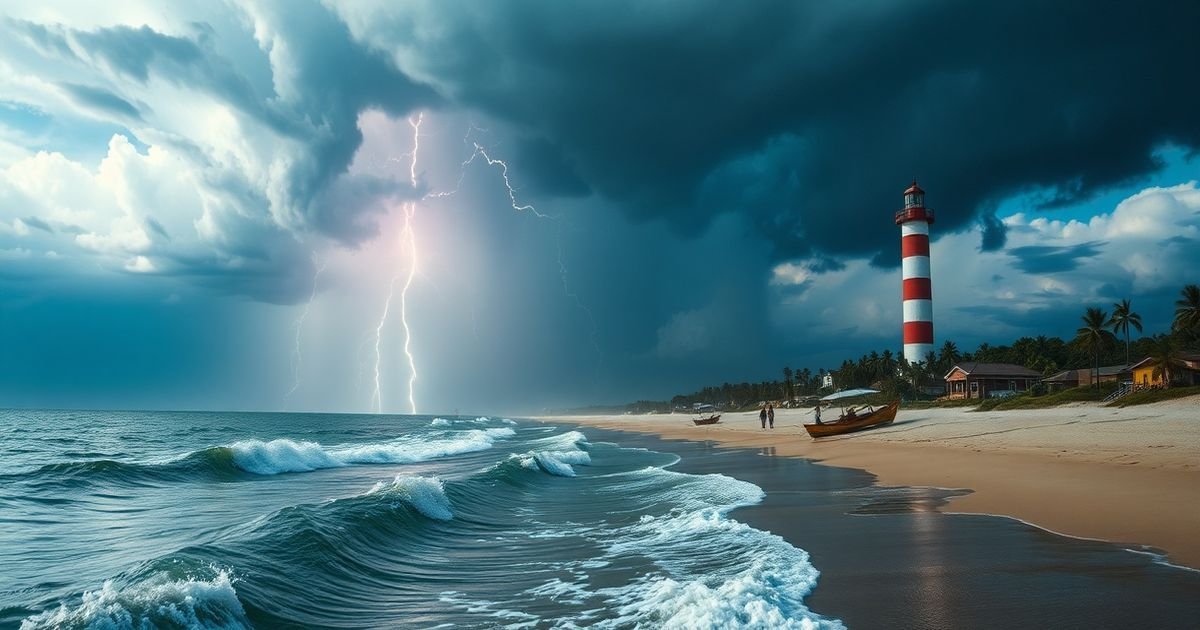
When you hear the term thunderonthegulf, you’re witnessing a phrase that captures one of nature’s most dramatic displays: powerful thunderstorm systems rolling across gulf waters with spectacular lightning and booming thunder. This phenomenon represents more than just a weather event—it’s a convergence of atmospheric science, regional culture, and environmental significance that affects millions of people living in coastal regions. The term has gained traction both as a literal description of meteorological events and as a cultural reference to the raw power of nature in these vulnerable areas.
Understanding the Thunderonthegulf Phenomenon
The thunderonthegulf effect occurs when specific atmospheric conditions align perfectly over warm gulf waters. These storms develop when warm, moist air rises rapidly from the water’s surface, creating towering cumulonimbus clouds that can reach heights of 50,000 feet. As this moisture condenses, it releases latent heat, fueling the storm’s intensity. The unique geography of gulf regions—surrounded by land on three sides with open water to the south—creates wind patterns that concentrate this energy, making these storms particularly volatile.
Lightning formation follows a fascinating process within these clouds. Ice particles collide, creating electrical charges that separate into positive and negative regions. When the charge difference becomes too great, a massive electrical discharge occurs, heating the air to 50,000 degrees Fahrenheit instantly. This rapid expansion creates the thunder we hear. Thunderonthegulf events often produce more frequent lightning than inland storms due to the unlimited moisture supply from the water below.
Regional Impact on Gulf Coast Communities
The thunderonthegulf phenomenon significantly shapes life along coastal regions, particularly around the Gulf of Mexico. These storms influence everything from daily routines to long-term economic planning for communities stretching from Texas to Florida. The regular cycle of spring and summer thunderstorms brings necessary rainfall but also disruption.
Key impacts include:
- Economic disruption: Fishing industries must suspend operations, costing millions in lost revenue during peak storm seasons
- Tourism fluctuations: Beach destinations see dramatic drops in visitors during active thunderonthegulf periods, affecting local businesses
- Agricultural benefits: The accompanying rainfall provides crucial irrigation for coastal farmlands, replenishing water tables
- Infrastructure stress: Power grids face increased demand for cooling before storms, then damage from high winds and lightning strikes afterward
Understanding these patterns helps communities develop better preparedness strategies and economic resilience plans.
Safety Protocols During Thunderonthegulf Events
When thunderonthegulf storms approach, taking proper safety precautions can save lives. The National Weather Service emphasizes that “if thunder roars, go indoors”—a rule that becomes especially critical over open water where lightning strikes pose an even greater threat.
Follow these essential safety steps:
- Seek solid shelter immediately in a fully enclosed building with wiring and plumbing, which provides grounding protection
- Avoid water activities—get out of boats, pools, and away from beaches at the first sign of darkening skies
- Stay away from windows and avoid using landline phones that could conduct electricity from a nearby lightning strike
- Wait 30 minutes after the last thunderclap before resuming outdoor activities, as lightning can strike from storms miles away
For comprehensive weather alerts and real-time tracking, consult official meteorological services. If you’re interested in deeper analysis of storm patterns, explore our detailed weather tracking resources.
Tracking and Predicting Gulf Storm Systems
Modern meteorology has revolutionized how we monitor thunderonthegulf events. Doppler radar systems provide real-time data on storm rotation, wind speeds, and precipitation intensity. Geostationary satellites orbiting 22,000 miles above the equator continuously monitor cloud patterns, detecting the characteristic “overshooting top” that signals severe thunderstorm development.
Computer models now integrate multiple data sources—surface observations, weather balloons, aircraft reports, and satellite imagery—to predict thunderonthegulf formation up to 72 hours in advance. These predictions have improved dramatically, giving coastal communities more time to prepare. Advanced warning systems send alerts directly to smartphones, allowing residents to take shelter before storms arrive. Marine forecasting services provide specialized updates for shipping and fishing industries, helping them avoid dangerous conditions.
Cultural Significance and Economic Considerations
Beyond the meteorology, thunderonthegulf storms have shaped regional identity and culture. These dramatic displays feature prominently in local folklore, music, and art, symbolizing both the beauty and danger of coastal living. The distinctive sound of thunder rolling across flat gulf waters creates a unique acoustic experience that locals recognize instantly.
Economically, the insurance industry tracks thunderonthegulf events carefully, as lightning strikes cause billions in property damage annually. According to Wikipedia’s comprehensive overview of thunderstorms, these storms produce approximately 100 lightning strikes per second worldwide. Coastal building codes now mandate enhanced lightning protection systems for new construction, reflecting the heightened risk. Tourism marketing campaigns often embrace the dramatic imagery, promoting “storm watching” as a unique attraction during shoulder seasons.
Conclusion
The thunderonthegulf phenomenon represents a powerful intersection of nature, science, and human adaptation. These spectacular storms remind us of nature’s raw power while driving innovation in forecasting, safety protocols, and community resilience. Whether you’re a coastal resident, a maritime professional, or simply someone fascinated by meteorological wonders, understanding thunderonthegulf events helps us better appreciate and prepare for these dramatic atmospheric performances.
As climate patterns continue evolving, monitoring how these storms change in frequency and intensity becomes increasingly important for coastal planning and safety. By respecting nature’s power while leveraging technological advances, we can coexist more safely with these magnificent displays. To continue your exploration of weather phenomena and their impact on our world, check out our specialized meteorological guides.










Leave a Reply